-
What does an outdoor lighting designer do?
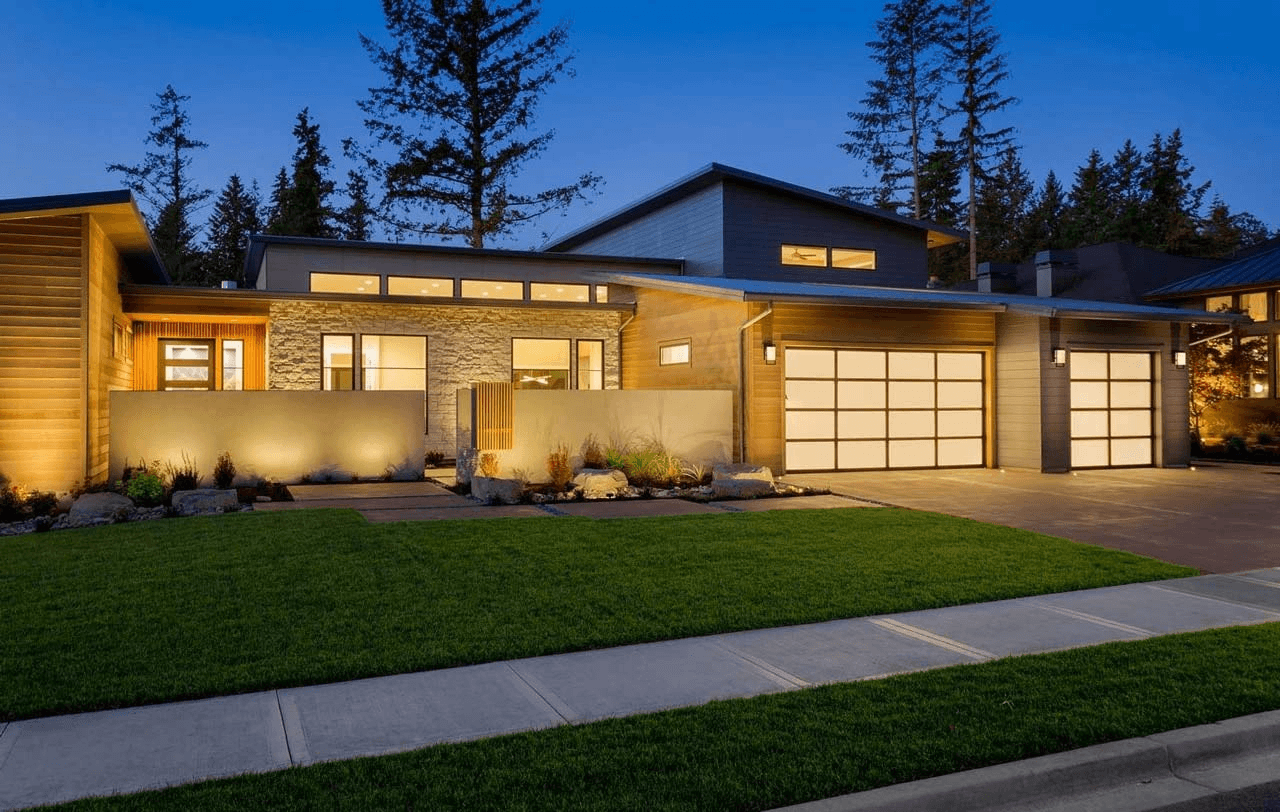
An outdoor lighting designer develops a plan for how your property should look and function after dark. That includes fixture placement, beam direction, brightness, glare control, wiring requirements, maintenance access, and the overall lighting strategy before installation begins.
Our specialists take the time to understand how you use the property, what features deserve attention, and how the lighting should perform over the years. The result is a thoughtful design that complements the outdoor living spaces while keeping the system practical to maintain and comfortable to enjoy. -
Does outdoor lighting only improve the appearance?
No. Outdoor lighting can make a property look more beautiful, but it also supports safety, movement, visibility, and everyday use. Well-planned lighting can help you move along paths, stairs, driveways, docks, and outdoor living areas with more confidence. It can also make patios, pools, gardens, and entryways easier to enjoy after sunset.
-
What areas should I add outdoor lighting to first?
Start with the places you use most, then build from there. For many homes, that means entryways, paths, steps, patios, driveways, landscape features, and any darker areas where visibility matters.
Think in layers:
- Arrival: Front entries, driveways, gates, and approaches help the property feel welcoming and easier to navigate.
- Movement: Walkways, steps, and transitions reduce dark spots where people naturally move after sunset.
- Living areas: Patios, outdoor kitchens, pools, and lounge spaces should feel comfortable enough to use at night.
- Landscape and architecture: Trees, planting beds, walls, columns, and textured materials can add depth once the practical areas are handled.
- Waterfront spaces: Docks, seawalls, and paths near water need careful visibility without glare.
-
Can outdoor lighting be added to an existing landscape?
Yes. Outdoor lighting can often be added to an existing landscape without starting over. The design may need to account for mature trees, established planting beds, existing hardscape, irrigation, and access for wiring or fixture placement.
A thoughtful plan can work with what is already there. In some cases, smaller adjustments to fixture location, angle, or output can make a major difference in how the space feels after dark. -
What types of fixtures are used in outdoor lighting?
Outdoor lighting may use several fixture types depending on the area, the effect, and the property itself. The right fixture should support the design without calling too much attention to itself.
A project may include path lights, uplights, downlights, step lights, wall lights, accent lights, and dock or waterfront fixtures. Some are chosen for safe movement, some for architectural detail, and others for softness, depth, or visibility near water.
The fixture matters, but placement and aiming matter just as much. A beautiful fixture can still feel wrong if the light is too harsh, too flat, or aimed in the wrong direction. -
What should I know about dock and waterfront lighting?
Dock and waterfront lighting needs to balance safety, comfort, and visibility. The lighting should help people move around clearly without creating harsh glare across the water or making the space feel overlit.
A strong waterfront plan usually pays attention to:
- Edges and transitions: Steps, dock edges, ramps, and level changes need enough visibility for safer movement.
- Glare control: Light should guide people without shining directly into eyes or reflecting too strongly off the water.
- Fixture durability: Waterfront areas need products and placement that make sense for outdoor exposure.
- Atmosphere: The best dock lighting feels useful without taking away from the calm of being near the water.
-
How long does an outdoor lighting project take?
The timeline depends on the size of the property, the complexity of the design, fixture availability, installation conditions, and how many areas are included. A smaller lighting update may move quickly, while a larger property or waterfront project may need more planning.
The early design conversation usually helps define the scope. From there, our team can talk through layout, fixture choices, scheduling, installation expectations, and any maintenance needs that should be considered from the beginning. -
How do I start planning an outdoor lighting project?
Start by thinking about what you want the lighting to improve. Some homeowners want a more welcoming entry. Others want safer paths, a more inviting patio, better dock visibility, or a landscape that feels more complete at night.
A few simple questions can help shape the first conversation:
- Which outdoor spaces do you already use after dark?
- Where does the property feel too dark or unfinished?
- Do you want the lighting to feel soft, dramatic, practical, or layered?
- Are there trees, gardens, walls, water features, or architectural details worth highlighting?
- Would ongoing maintenance be helpful once the system is installed?
From there, our lighting designers can turn those answers into a plan that fits the property instead of guessing where fixtures should go.